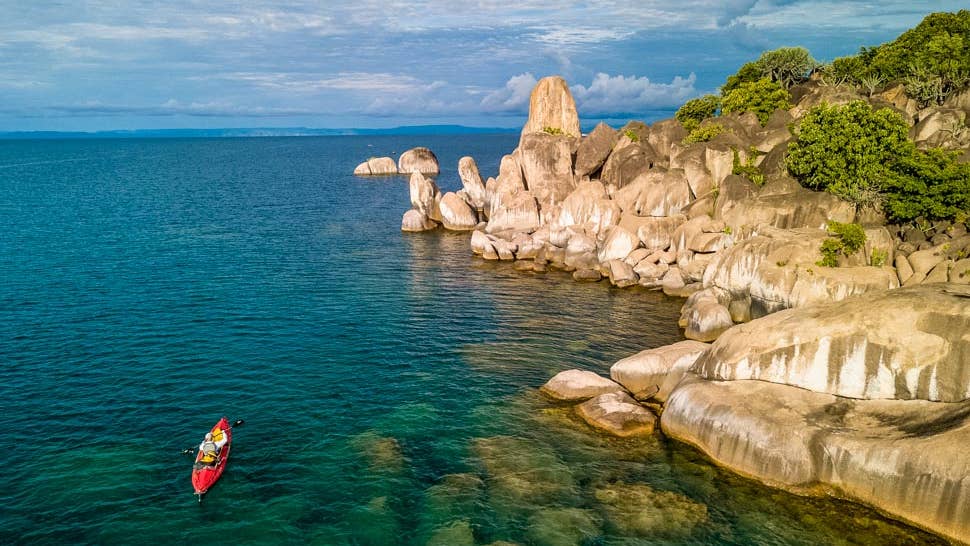
With seven days, avoid turning Burundi into a daily hotel change. Use Bujumbura, Gitega/central highlands and one southern or northern base.
A strong week can include Rusizi, Lake Tanganyika, Kibira, Teza, Gishora, Karera, Nyakazu and time for local food, markets and unscheduled stops.
If birding is a priority, swap one southern day for the Kirundo/Rwihinda direction.
Why this 7-day route works
A full week allows three useful bases instead of returning to Bujumbura after every excursion. It also gives space for weather, a slower cultural day and an unhurried final evening by Lake Tanganyika.
Day-by-day planning
Day 1 — Bujumbura arrival
Keep the schedule realistic around flight timing, road conditions and the location of the next overnight stop.
Day 2 — Rusizi and city
Start wildlife or birding early when possible, then keep the rest of the day flexible for city sights, markets, food or Lake Tanganyika.
Day 3 — Teza highlands
The tea highlands are best enjoyed slowly, with time for viewpoints and a pre-arranged tea experience where available.
Day 4 — Kibira forest
Allow real forest time rather than treating Kibira as a roadside stop. Closed shoes, a rain layer and an experienced guide make the day more comfortable and useful.
Day 5 — Gitega and Gishora
Coordinate the cultural program in advance and give the guide time to explain the history and meaning of the royal-drum tradition.
Day 6 — Karera and Nyakazu
This is a road-and-landscape day. Start early, protect daylight for walking and photography, and avoid an unnecessary late return if an overnight base is available in the direction of travel.
Day 7 — Lake or flexible departure day
Use the lake as a slower part of the itinerary: lunch, sunset, a boat experience where appropriate, or simply time without another long transfer.
Who this itinerary suits
This route is designed for travelers who want a private, well-paced introduction to Burundi rather than a checklist of short stops. It can be adjusted for wildlife photography, culture, birding, family travel, business extensions or a slower holiday. Tell the operator which two or three experiences matter most; that makes it easier to protect time for them.
Accommodation strategy
Use Bujumbura for international arrival and departure when practical, Gitega for central and cultural days, and a highland or forest-side base when an early Kibira start matters. The goal is not to change hotels every night; it is to avoid repeating long road sections simply to sleep in the same city.
What to confirm in the quotation
Check whether private transport, fuel, driver, guide, accommodation, meals, entrance fees, ranger services, cultural programs, boat activities, bottled water and airport transfers are included. If a specialist wildlife guide or special authorization is required, confirm that it is part of the arrangement.
How to customize it
Photographers can reduce city time and add early wildlife sessions. Culture-focused travelers can spend longer in Gitega and Gishora. Hikers can add Mount Heha or more highland walking. Birders can extend toward Kibira or the northern lakes. If your arrival or departure removes half a day, remove a distant attraction rather than compressing the whole route.
Frequently asked questions
Do I need a private vehicle?
For a multi-region itinerary, a private vehicle is the simplest way to keep the route coordinated and to handle luggage, early starts and activity timing efficiently.
Can the trip begin at Bujumbura Airport?
Yes. An airport pickup can become the first transfer or sightseeing day when the arrival time is suitable. For late arrivals, a direct hotel transfer is usually the better start.
Should I add another day?
If wildlife, photography or the southern landscapes are important, an extra day usually improves the trip more than adding another attraction to an already full schedule.