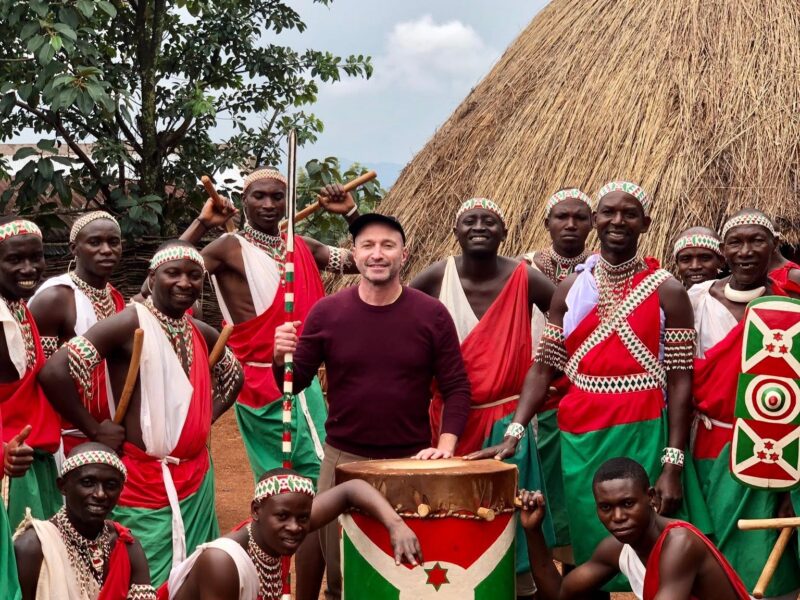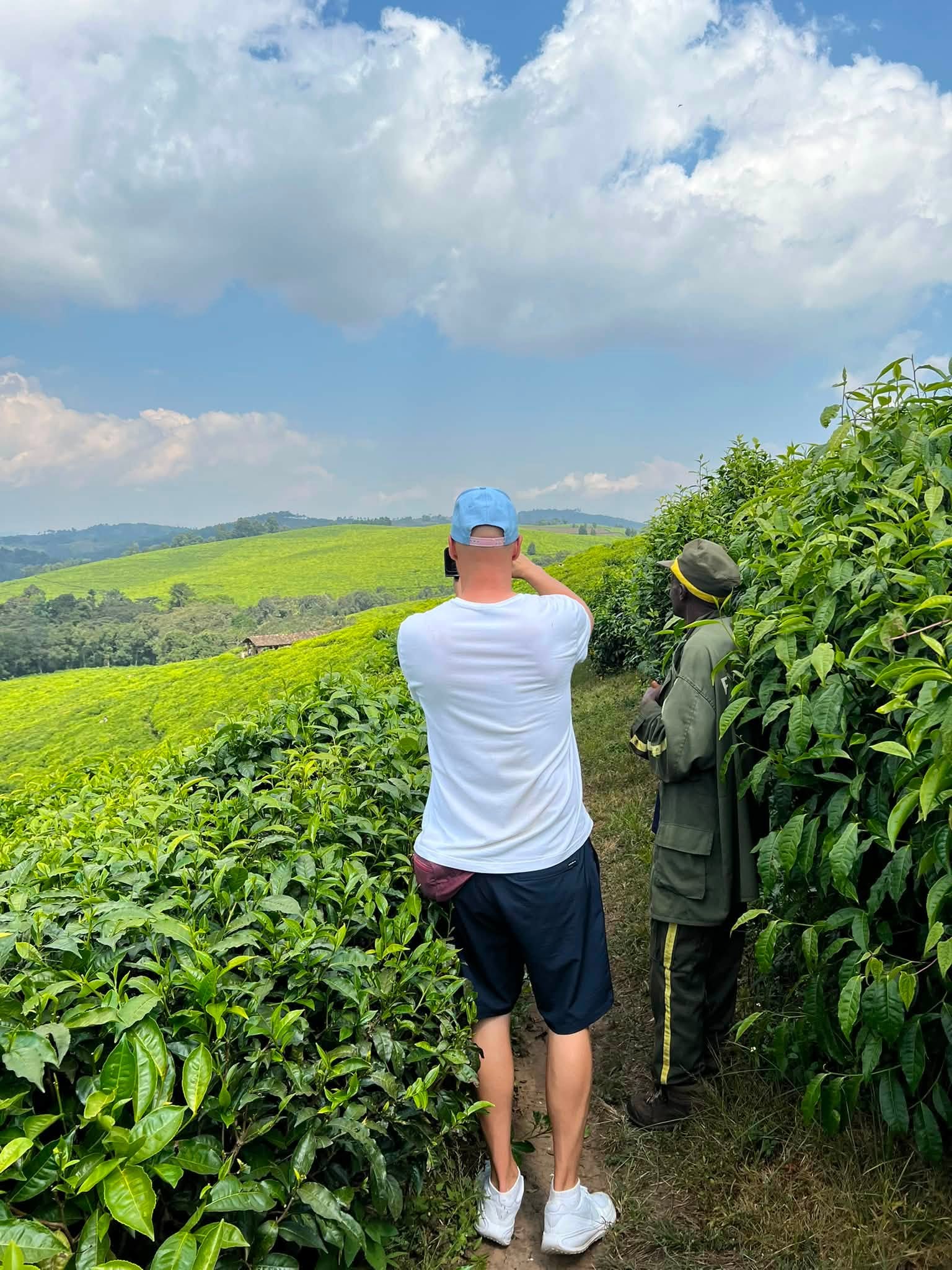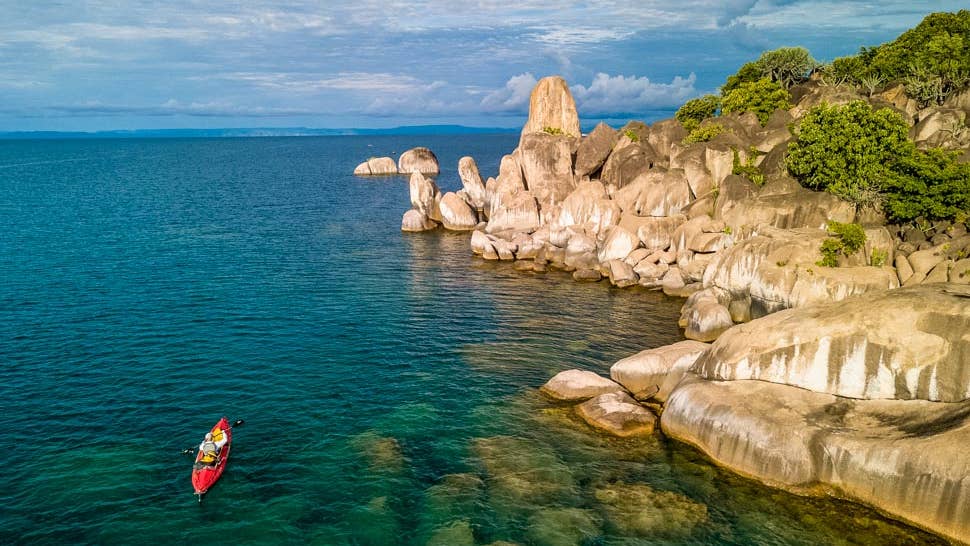
Burundi’s headline sights are spread across culture and landscape rather than one single safari circuit. The royal-drum tradition, Lake Tanganyika, Kibira forest, Teza tea country, Karera waterfalls, Nyakazu’s escarpment scenery, Mount Heha and the northern lakes each show a different side of the country.
Give the place enough time
Burundi’s major attractions are spread across very different landscapes. The value of a visit often comes from context and time on site rather than simply reaching a viewpoint. A cultural stop needs explanation; a waterfall needs walking time; a tea-country visit is more meaningful when the guide can explain what you are seeing; a mountain or escarpment stop depends on weather and visibility.
Combine attractions by geography
Gishora combines naturally with Gitega. Kibira combines naturally with Teza. Karera and Nyakazu can share a south-eastern route. Bujumbura, Rusizi and Lake Tanganyika work well together. Grouping sites this way reduces backtracking and leaves more time for the experience itself.
Photography and local etiquette
Ask before photographing people at close range, especially in markets, workplaces and community settings. At performances, follow the host’s instructions about where to stand and when to move. For landscape photography, allow time rather than assuming the first roadside stop will give the best view.
What to bring
Water, sun protection, closed walking shoes and a light rain layer cover many day trips. Highland attractions can feel much cooler than Bujumbura. If the day includes a long road section, carry a small personal snack and any medication you may need rather than depending on finding a specific shop en route.