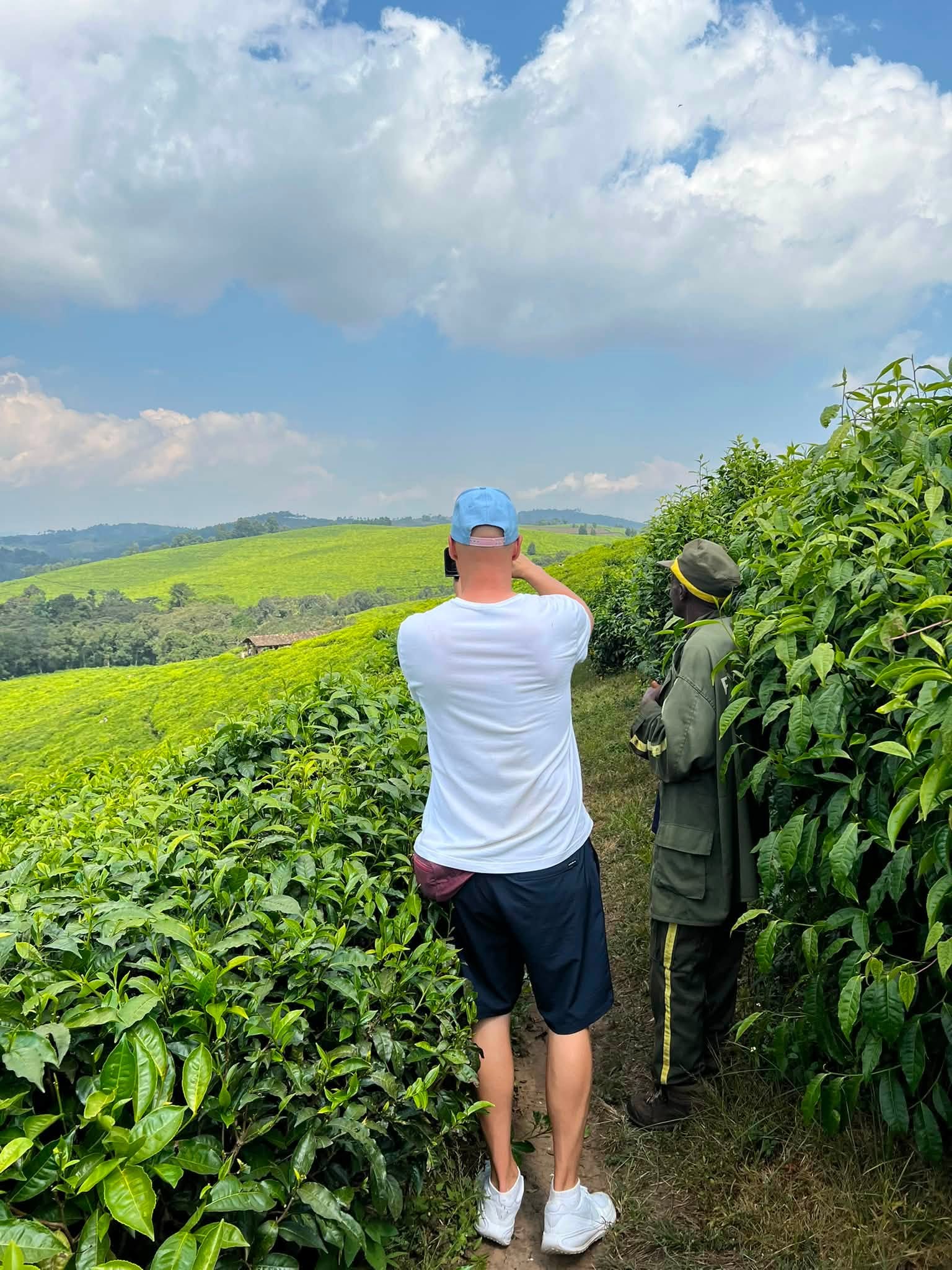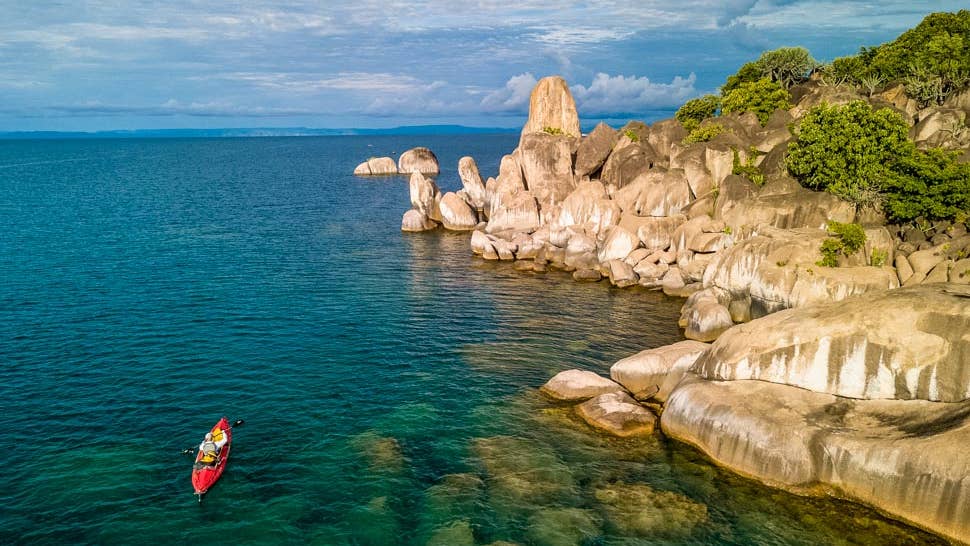
Burundi’s nature is unusually varied for a small country: montane forest in Kibira, wetlands and river channels at Rusizi, broad protected landscapes in Ruvubu, and smaller forest reserves in the south. Wildlife viewing is not the same style as the large savannah parks of Kenya or Tanzania; the appeal is quieter landscapes, birdlife, forest ecology and local-scale encounters.
Burundi wildlife is about habitat and patience
Burundi is not a large classic savannah-safari destination. Its nature experiences are different: wetlands and river channels around Rusizi, montane forest in Kibira, bird-rich landscapes and quieter protected areas that reward travelers who are interested in ecology as much as headline animals. This makes specialist guides, early starts and realistic expectations particularly important.
Guides and rangers matter
For forest wildlife, birding and photography, ask for a guide who regularly works in the area rather than relying only on a general sightseeing guide. Recent local information can be more useful than a long species list copied from a guidebook. Where a ranger or authorization is required, arrange it before the day of the activity.
Photography planning
Forest and wetland photography often involves waiting. Build enough time into the program to stay with a promising area instead of moving constantly between attractions. Carry rain protection for camera equipment, spare batteries and a practical way to keep gear dust- and moisture-protected. A small pair of binoculars is useful even for photographers.
Responsible visits
Follow ranger instructions, keep a respectful distance from wildlife, avoid feeding animals and do not pressure guides to approach too closely for photographs. Quiet behavior usually improves the experience for both wildlife and visitors.
Compare Kibira National Park, Rusizi National Park and the broader Burundi wildlife-tour guide.