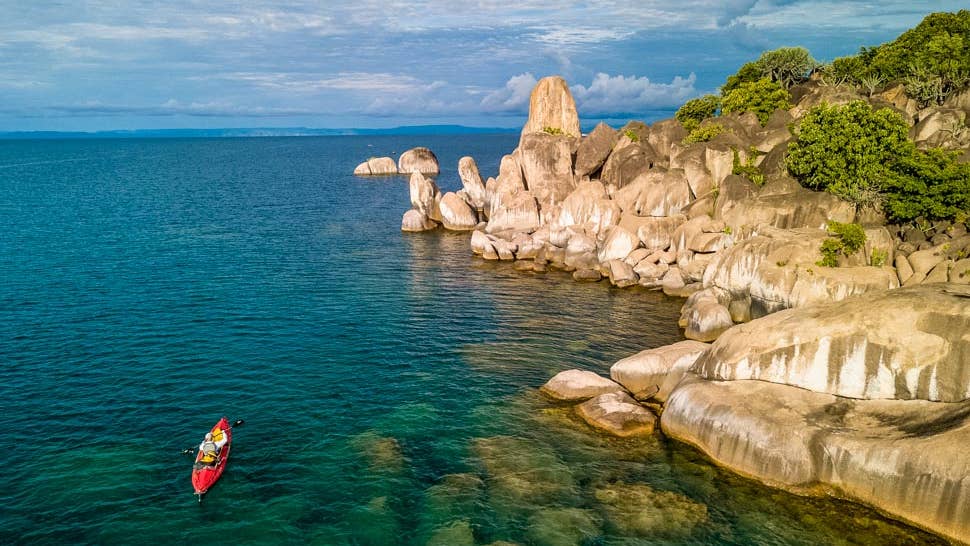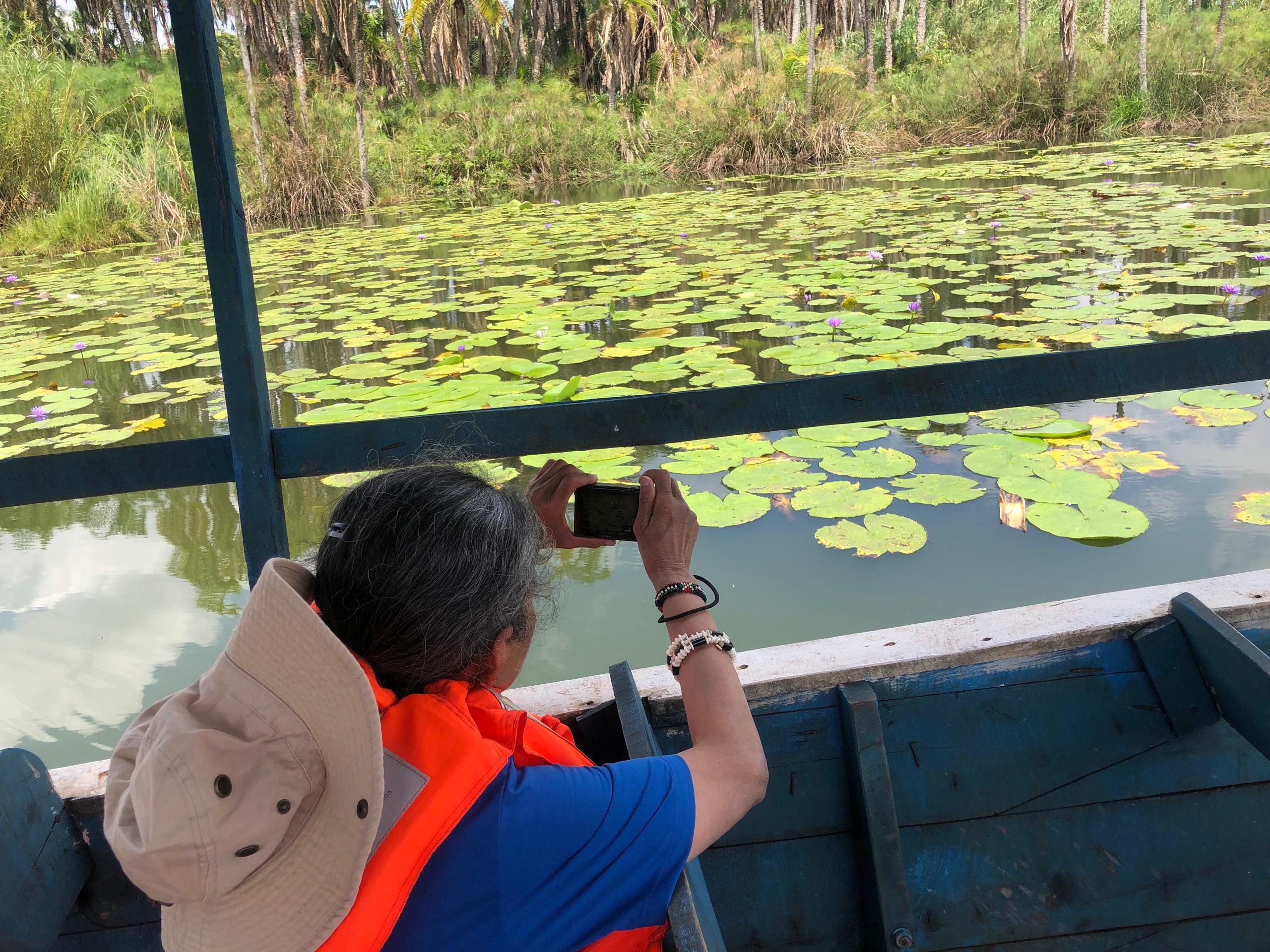
Burundi’s weather varies with season and altitude. Bujumbura and the Lake Tanganyika shore generally feel warmer than Kibira, Teza and the central highlands.
Rather than choosing a month only by a rain chart, match the season to your priorities: drier conditions can simplify road travel and hiking, while wetter periods often bring greener scenery and stronger waterfalls.
Check a short-range forecast close to departure because day-to-day conditions still matter.
The practical point
Monthly weather guides are best used as broad planning signals.
What travelers should know
Rainfall can vary from year to year and conditions change with altitude. A month that is comfortable in Bujumbura may still bring cool, wet conditions in the highlands.
How to plan around it
Use the seasonal pattern to choose clothing and route flexibility, then check a short-range forecast before individual outdoor days.
Build this into the rest of your trip
Practical information works best when it is connected to the actual itinerary. Check your airport transfer, accommodation location, road route and daily activities together. If a rule or operating condition could change, verify it again in the final week before travel.
Frequently asked questions
Should I rely on an old travel article?
No for time-sensitive rules. Older articles can explain context, but visa procedures, border status, flight schedules, health requirements and access arrangements should be checked again with current sources.
Should I organize everything before arrival?
Major logistics such as airport pickup, multi-day transport, specialist guides and limited accommodation are easier to secure in advance. Leave room for small local decisions once you are on the ground.